Saturday, August 6, 2022

Virginia - In Vino Veritas

 Earlier this month, I took a week-long trip to Colonial Williamsburg and Jamestown, and as many of you know, wherever I travel, I'm always on the look out for local wineries that are worth visiting.  This is especially true for the state of Virginia which is fast becoming one of the nation's top destinations for wine connoisseurs.  The majority of the state's wineries are located in the northern and northwestern region, but there is a smattering of vineyards and wine-makers in the Historic Triangle region of eastern Virginia.

The first of the three wineries I visited in the Williamsburg area is right next to the historic Shirley Plantation, about 30 minutes from the town center off the John Tyler Memorial Highway (Route 5).  (The plantation itself is worth a visit as National Historic Landmark and one of the nation's oldest active family farms, going back eleven generations.  https://historicshirley.com/ )  The neighboring winery shares the landmark's name as the Upper Shirley Vineyard  https://www.uppershirley.com/ )

My visit was well-timed as the winery had just opened for business that day after I'd completed my tour of the Shirley Plantation, and since the heat had already begun to move into the oppressive stage, a nice, cool, air-conditioned tasting room and dining area was a welcome respite. (When the weather is more amenable to outside imbibing, the winery boasts a very spacious veranda and garden area where drinks and food can be enjoyed.)


Although it wasn't even noon yet, patrons had already arrived for an early lunch and wine-tasting, which was a good sign.  Furthermore, the inside tasting room/dinning area and banquet hall were tastefully decorated, clean and bright.


Wines are available by glass, bottle and in a multi-wine tasting kit which comprises up to ten samples in pre-packaged plastic cups, along with a wine glass that you can take with you as a souvenir.  Also included is a detailed description of each of the wine samples.  My kit featured Sauvignon Blanc, Viognier, Chardonnay, White Blend, Rosé, Petit Verdot, Tannat, Divertido (Mourvèdre), and Zachariah (Bordeaux style blend).  I found all the wines well-made and well-balanced, exhibiting characteristics typically associated with the particular varietal or blend, but the standouts for me were the Petit Verdot, Tannat and Zachariah which were exceptional in their expression of the grapes' distinctive flavor profile.  I ended up purchasing a bottle of the Petit Verdot ($32) which is becoming a kind of signature varietal of Virginia as a full-bodied, age-worthy stand-alone red.

As an added plus, judging by the delicious and abundant roast chicken salad I thoroughly enjoyed, the kitchen does a bang-up job with the menu, so don't hesitate to pair your wine(s)  with a scrumptious dish.


About a half hour's drive north of Upper Shirley Vineyards, just off  Route 64 is the New Kent Winery at Dombroski Vineyards, https://newkentwinery.com/ which also houses the Talleysville Brewing Company so that you can sample both estate wines and craft beer at the same venue.  (After tasting several wines, I opted for a draft brew - the Southern Rail Red Ale -  to accompany a small plate which was appropriately refreshing on a super hot and muggy Tidewater afternoon.)

You can ask to sample wines at the bar in the tasting room, but there was no seating inside (at least when I was there) so to order a full glass or bottle to share, you can take it outside to the spacious veranda and garden area.


Featured wines include Chardonnay, Vidal Blanc, Merlot, Norton, Cabernet Franc and Meritage blend.  As you can see, there is a strong French influence on the varietals grown in this area.  I sampled most of the reds which were all good quality and well-produced, boasting fine flavor profiles associated with the particular varietal(s). You may not be familiar with Norton, which is a hybrid thought to be the oldest commercially produced American varietal. Discovered in Missouri in the early 19th century, it is now predominantly grown in Virginia. Medium to full-bodied, and exhibiting red fruit characteristics and taut tannins, this is a good red option which does not overwhelm, yet holds up well on its own and is definitely food friendly.

I was especially taken by the Cabernet Franc which is rich in plum, black cherry, and forest floor with hints of oak and caramel from 24 months of aging. (This was my choice to bring home.)  Price points are quite reasonable, given the quality and regional production, ranging from the low $20s to the low $30s.  There was also a very good deal on a 4-pack of the Meritage in 250ml cans, perfect for a solo diner.  At just $20, I couldn't pass it up!

See below for the full list of wines and beers at the time I visited:  


My third and final visit on this trip was to the Williamsburg Winery, which has a Tasting Room on the main drag down the street from the colonial district. However, I chose to visit the actual headquarters located just a few miles outside the town among the vineyards. 


 I must say that I was a little hesitant, since Williamsburg is very much a tourist destination and I thought the winery might be just capitalizing on the large influx of visitors to the area and producing wines of little distinction to an unsophisticated, less discerning clientele.  I am happy to report that I was pleasantly mistaken.  All the wines I tasted were of good quality and well made; and once I made known to the server that I knew a few things about wine, he opened up to me about his own oenological interests and experiences, and even had me taste one of their top issues that was off the tasting menu.  A tip of the hat to Carmen, if you ever read this.


There are several tasting flights that are available, as well as wines by the glass or bottle.  I chose the Red Wine Flight as I really wanted to sample the Cab Franc and Petit Verdot to compare with the other Virginia wineries I had visited.  The flight then consisted of the 2020 Virginia Cabernet Franc, the 2020 Barrel-Aged Virginia Claret, the 2019 Virginia Cabernet Sauvignon and the 2020 Virginia Petit Verdot.  All wines were oak aged for at least 12 months. To my palate, the Cabernet Franc was closer to the Loire style than that of the Upper Shirley - leaner, more herbal with hints of green pepper and rhubarb, less fruit-forward.


The real standout was the Barrel Aged Claret, a blend of Merlot, Cab Sauvignon, Cab Franc, Petit Verdot, Malbec and Tannat. (I purchased a bottle to take home with me.)  All these varietals combine harmoniously to create a wine of great approachability yet fully layered with notes of red and black cherry, vanilla, cocoa, and supported by and integrated with tannins.  This is especially remarkable given the rough year weather-wise according to the winemaker.

 As I noted above, the Petit Verdot is becoming recognized as a mainstay of Virginia wineries, and in keeping with this recognition, the Williamsburg Winery's is a worthy entry, boasting a complex flavor profile, including ripe, dark fruit; cola; leather; herbs and graphite.

The off-menu sample Carmen graciously offered me was their top-of-the line 2017 Adagio blend consisting of Tannat, Petit Verdot and Cabernet Sauvignon.  This exceptional wine brings forth a wide array of rich, complex fruit notes, including dates, figs, red raspberry, and dark cherry as well as blueberry and cassis. Balancing out the flavor profile are hints of black pepper and black olive, well integrated with supporting tannins and oak.  At $68 a bottle, it's well worth a special splurge. (Most of the other wines are in the $20-30 range.)

Small plates are available to accompany the wines and there is also a separate restaurant/tavern just opposite the winery at the same location.

To sum up, if you happen to take a trip to Colonial Williamsburg, be sure to take time to visit a winery to relax, sip and savor as a break from all that history.


Monday, August 1, 2022

Wine Tasting By The Shore - Selections from My Cellar

 Earlier this summer, a small group of friends and wine aficionados gathered together for their annual tasting and dinner by the shore.  This year I decided to feature wines from my own private cellar, focusing on summery sips, including three whites, one rosé and one red from both the Old World and New World. Some were old favorites, others more recent discoveries.

Our hosts once again outdid themselves in preparing a delicious array of tasty delights, meticulously prepared and presented, that complemented the wines beautifully.


The menu included mouth-watering treats such as pigs-in-a-blanket, burrata, tomato pie, foccacia with grapes, roast salmon accompanied by pasta, broccoli and fruit salads.


As for the wines, pretty much every one was a hit, with distinct favorites for each person.  I was pleased that the Torrontés received rave reviews since it's not widely known among US consumers and has a very distinctive aromatic profile.  A special mention is also in order for the Finger Lakes Cabernet Franc which I purchased in the pre-pandemic days during a multi-stop tour of wineries.  I remember enjoying it very much at the time, and it aged nicely in the intervening years.

See detailed notes below on the wines, varietals and wine-makers.

Cheers!


Quinta da Alorna Arinto 2018


Origin: DOC Do Tejo (Portugal)

Varietals: 100% Arinto

Production/Tasting Notes: Fermentation at 17 degrees Celsius in stainless steel vats; intense aromas with notes of citrus fruit, banana, and green tea; crisp, vivacious acidity; persistent finish with aromatic sensations   

Food  Pairing: seafood; red fish; Asian food; cheeses with mild aromatic intensity

Alcohol: 13%


Karen Birmingham Rosé of Pinot Noir 2020


Origin: Lodi, California

Varietal: 100% Pinot Noir

Production/Tasting Notes: Fruit-driven, delicate, light, crisp; crushed rosehips, raspberry

Food pairing: light, summery hors d'oeuvres

Alcohol:  12.5%


Rancho Campo Torrontés 2019


Origin :
Mendoza, Argentina

Varietal: 100% Torrontés

Production/Tasting Notes:  Ebulliently, intensely aromatic and perfumy; nectarine; cardamon; white flower; citrus notes of orange, lime and grapefruit; bright, zippy acidity; light velvety palate.
 
Food Pairings: scallops, white fish; goat cheese on fruit toast; Thai green curry; salmon; piri piri chicken


Alcohol: 13%


Roberto Sarotto Virgilio Gavi 2020


Origin: Denominazione di Origine Controllata e Garantita (DOCG) Gavi (Italy)

Varietals: 100% Cortese

Tasting Notes: Expressive aromas of acacia, floral scents, green apples, Bosc pear, ripe lemon; apricot; dry, crisp acidity; refreshing palate with elegant, fruity character; long finish.

Food  Pairing: light appetizers; fish, white meats

Alcohol: 12%


Domaine Le Seurre Cabernet Franc Barrel Collection Cuvée Classique 2014


Origin: Keuka Lake, Finger Lakes, New York

Varietals: 100% Cabernet Franc      

Production/Tasting Notes:  22 months in French oak Barrels; aromas of red berries, smoke, herbs, minerals; light to medium body;

Food Pairing: lamb shank; grilled, roasted meats; barbecue ribs

Alcohol:  13.5 %


Notes on Grape Varietals and Winemakers

Arinto

Primarily grown around the Lisbon area, particularly the Bucelas region. Found in either single varietals or in blends with over native Portuguese grapes. Naturally high in acidity and similar in profile to Sauvignon Blanc; expresses an array of citrus fruit notes, especially lemon and grapefruit (but without any of the "cat pee" aromas sometimes associated with the New Zealand varietal) as well as stone fruit such as peach flavors when aged

Torrontés

Recognized as the signature white grape of Argentina, it's actually a class of grapes representing several varietals grown in high altitude regions (up to 10,000 feet), particularly the Salta. Often intensely aromatic and perfumy with notes of spice and white flowers. Widely blended with Chardonnay.

Cortese

Primary white varietal associated with the Gavi region of southeast Piedmont.  Noted for its bracing acidity, with crisp, lime, herbal and grassy aromatic notes and flavors of apple, peach and honeydew.  Historically, dates back to the 17th and long considered Piedmont's white varietal.  Also found in the Veneto region where it's typically blended with Trebbiano and Garganega.

Domaine Le Seurre

Located on Keuka Lake in the Finger Lakes region of New York State.  Owners Sebastian and Celine LeSeurre, after initial studies in France, traveled the world working at and exploring numerous wineries and vineyards before settling in Keuka Lake where they would establish their own winery.  Their wines include typical varietals of the region such as Riesling, Chardonnay, Gerwurztraminer, Cabernet Franc and Lemberger.        

Karen Birmingham

Worked for many years at LangeTwins Winery in Acampo, California.  She now produces wines for Naked Wines, featuring varietals from the Lodi region, including Zinfandel, Petite Sirah, Sauvignon Blanc and Pinot Noir.


Wednesday, May 25, 2022

Wine Tasting: Spotlight on Chile

 For many years now, Chile has distinguished itself in the wine industry as a source for good value wines produced from popular varietals such as Cabernet Sauvignon, Carmenère, Sauvignon Blanc, and Merlot.  The influence of vintners who migrated from France to South America is evidenced by the strong presence of these grape varietals of French origin.

In my most recent wine tasting classes, we sampled two whites and four reds, including three Cabernet Sauvignon-dominated blends, plus a Cabernet Franc, from various wine-growing regions north and south of the capital Santiago.  Overall, the classes were very impressed by the high quality and very affordable price points.  The sweet spot with regards to pricing, again, is in the $15 to $25 price point range, and occasionally even a little less in this case.

All wines were purchased at Wine Works  https://www.wineworksonline.com/ in Marlton, New Jersey, although some may be available in Pennsylvania wine shops.


Matetic EQ Coastal Sauvignon Blanc 2020 ($14)


 Origin: Valle Hermoso, Valle de Casablanca Denominacion de Origen (D.O.),

Varietals: 100% Sauvignon Blanc

Production/Tasting Notes: Vineyard 6 miles from Pacific Ocean; grey granite soil with iron-rich mica; organic grapes; cold soak for 12 hours before pressing under layer of inert gas; low temperature fermentation in stainless steel tanks; aged on fine lees for 4 months; 30% fermented in concrete vessels and neutral oak barrels to enhance mineral notes, texture and mouthfeel; complex nose dominated by citrus and tropical aromas, such as mango, papaya, grapefruit peel with light herbal notes; fresh, crisp,  concentrated,  vivid on the palate; lingering finish with underlying salty minerality. (92 points, Vinous) 

Food  Pairing: ceviche, tuna carpaccio; sushi; oysters; scallops; salads; goat or bleu cheeses

Alcohol: 13.5%


Mayu Pedro Ximenez 2020 ($13)


Feline approved!

Origin: Valle de Elqui D.O.

Varietal: 100% Pedro Ximenez

Production/Tasting Notes: Hand-harvested at one of the highest altitude vineyards in Chile (6,320 feet); fermentation in stainless steel; clarification by natural sedimentation; aged on fine lees for 4 months; dry, crisp; floral (white flower) and fruit aromas; citrusy; bright acidity; long finish. (90 points, Wine Advocate)

Food pairing: ceviche; fresh seafood; shellfish

Alcohol:  12.5%


Perez Cruz Cabernet Franc Limited Edition 2019 ($16)


Origin : Valle de Maipo D.O.

Varietal: 96% Cabernet Franc; 4% Petit Verdot

Production/Tasting Notes:  Total maceration period of 27 days; 14 months aging in French oak barrels (50% new); red fruit, herbal and spicy aromas with floral notes; fine tannins, lingering finish.
 
Food Pairings: lentil soup with ham hock; rack of lamb; rabbit rillettes


Alcohol: 14%


Concha y Toro Marques de Casa Concha Cabernet Sauvignon 2018 ($20)


Origin:  Valle de Maipo D.O.

Varietals: 86.5% Cabernet Sauvignon; 10% Cabernet Franc; 2.1% Syrah; 1.4% Petit Verdot

Production/Tasting Notes: Sourced from old-vine Pirque and Puente Alto vineyards at foot of Andes; stony, alluvial soil; semi-arid Mediterranean climate; daily thermal oscillation of 18 degrees Celsius prolongs ripening of grapes, concentrating and intensifying aromas of unctuous cherry, sarsaparilla; cedar; blackberry, tar; smoke; smooth, silky texture masks firm, underlying tannic structure; long, lingering finish. (92 points, James Suckling)

Food Pairing: grilled, roasted or stewed meats or game in rich sauces with touch of acidity and herbs such as rosemary, thyme, bay leaf

Alcohol:14.6%


Montes Alpha Cabernet Sauvignon 2019 ($20)


Origin: Valle de Colchagua D.O.

Varietals: 90% Cabernet Sauvignon; 10% Merlot

Production/Tasting Notes: Granite, clay soils; hand-harvested, manual selection of bunches before destemming; maceration in fermentation tanks for 5 days, followed by fermentation of 7-10 days, then racked into stainless steel and concrete tanks; malolactic fermentation; 55%  aged in French oak barrels for 12 months (30% first use; 70% 2nd and 3rd use); complex array of aromas - black fruit, strawberry, blueberry, black plum; crème de cassis; notes of leather, tobacco, toast, toffee; smooth tannins on the palate; long finish. (94 points, James Suckling)  

Food  Pairings: red meats; Mongolian beef; pasta with Bolognese sauce; lamb chops     

Alcohol: 14.5%


Primus The Blend 2018 ($15)


Origin: Apalta, Valle de Colchagua

Varietals: 55% Cabernet Sauvignon; 20% Carmenère; 10% Petit Verdot; 10% Syrah; 5% Cabernet Franc          

Production/Tasting Notes:  Well-drained clay-loam and colluvial soils; organic, sustainably-farmed vineyards; Mediterranean climate; 66% aged in French oak barrels (18% new) for 12 months; 33% in 5000 liter foudres; the blend features particular characteristics from each of the varietals: structure from the Cab Sauv; red fruit delivered by the Merlot; weight and softness from Carmenère as well as spice; smooth, finish complex finish by virtue of Petit Verdot; persistence and elegance from Cab Franc. Medium body. (92 points, Tim Atkin, MW)

Food Pairing: lamb shank; grilled, roasted meats; barbecue ribs

Alcohol:  13.5 %


                    Notes on Chilean Wine-Growing Regions

Maipo

Home of viticulture in Chile.  Vines first planted in the 1540s, but expanded greatly in the 1800s.  Located at the northern end of the Central Valley, just south of capital Santiago. High elevation and river gravels offer ideal combination for Bordeaux-style reds. Has become a world-class region for producing Cabernet Sauvignon. Alto Maipo, which includes sub-regions Puento Alto and Pirque, is the most prestigious of the viticultural areas.  Vineyards in this region run along the eastern edge of the Andes with altitudes between 1300 and 2500 feet. Warm sun and colder nights allow slow ripening and balanced acidity.  Colluvial soils are rocky and free-draining, stressing the vines which produce a higher concentration of sugars and acids. Other sub-regions are the Central Maipo and Maipo Bajo, the latter focusing more on wine-making and less on viticulture.

Colchagua

Central Chile region with great promise. Noted especially for Cabernet Sauvignon, Carmenère, Syrah.  Characterized by steep slopes on the edge of coastal mountains, free-draining granitic soils, stressing grapes that produce small yields and high concentrated flavors. Great variation in diurnal temperatures also help in creating grapes with balanced ripeness and acidity. Climate is warm, but cooled by ocean breezes; dry, but refreshed by rivers and occasional rainfall.

Elqui

Located 250 miles north of Santiago on the edge of the Atacama Desert, currently the northernmost wine-growing region.  Traditionally focused exclusively on producing Pisco, Chile's trademark brandy; now producing bright, intensely aromatic wines, notably Sauvignon Blanc, Carmenère, Syrah and Pedro Ximenez .  Hot and dry, requiring irrigation.  High altitude - up to 6550 feet, along with bright, hot days followed by cool, fresh nights, allowing grapes to develop intense varietal character and refreshing levels of acidity.  Elqui means "narrow valley" in the local Quechua language. Rocky and thin soils with chalky components provide good drainage.

Casablanca

East-West Valley, about 20 miles long, located 60 miles northwest of Santiago.  Best known for crisp white wines, particularly, Sauvignon Blanc and Chardonnay, the Valley is now recognized as one of Chile's quality wine regions.  A relatively new region, plantings began in the 1980s. At 20 miles from the Pacific Ocean,  the Valley is strongly influenced by the cooling effects of the Humboldt Current, flowing up from the Antarctic.  The oceanic influence brings cool morning fog and greater cloud cover than elsewhere in northern Chile, enhancing the growing of white wines. A longer ripening period allows more time to develop greater flavor complexity while maintaining a balance of sugar and acidity.

Thursday, April 21, 2022

A Bordeaux-Fueled Movable Feast

 As a follow-up to the Burgundy wine dinner I reported on last summer (see my post of August 25 https://phillywineguy.blogspot.com/2021/08/wine-dinner-la-bourguignonne.html), a small group of wine-loving friends gathered on a recent Sunday evening to delight in some of the best Bordeaux has to offer in sparkling, white and red wines accompanied by mouth-watering hors d'oeuvres, entrées and dessert.  (Even as the omicron wave has ebbed, we took the precaution of testing prior the dinner.)

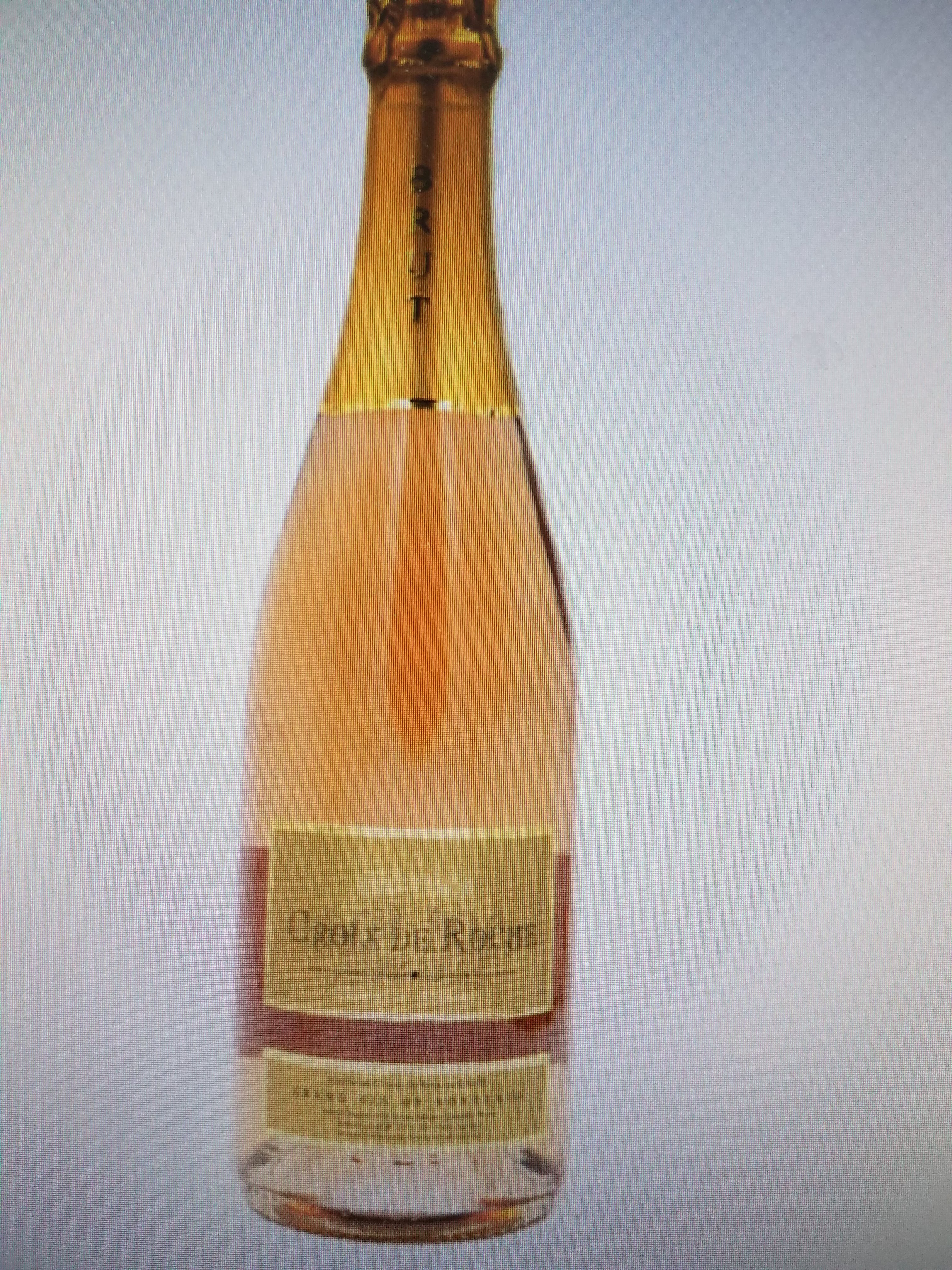
To start off the evening, the first host popped open a bottle of Crémant de Bordeaux, which was perhaps the best value wine of the offerings at about $22, demonstrating that one does not have to break the bank to enjoy the world-renowned reputation of this region.  


The Croix de Roche Crémant, Rosé de Bordeaux NV is a blend of 40% Malbec, 40% Merlot, and 5% each of the other red varietals that are permitted by law in the vinification of  Bordeaux wines - Cabernet Sauvignon, Cabernet Franc, Petit Verdot and Carmenère.  Pink salmon hued with aromas of red currant and berries, the palate is crisp and fresh, offering hints of white peach and apple cider and strawberry with a lingering finish of minerality.  Certified organic, this sparkler spends 6 months in Saint Emilion barrels, then is further aged for 36 months on its thin lees.  As I often point out, the crémants (French sparkling wines produced outside of Champagne) are budget-wise alternatives of dependable quality to their higher-priced cousins, and this one was no exception.

Up next was perhaps the most-celebrated white Bordeaux from Pessac Leognan in the Graves appellation of the Left Bank, Château Cabonnieux, a blend of 65% Sauvignon Blanc and 35% Semillon.


Aged 10 months in wooden casks (25% new oak), this grand cru classé exudes aromas of intense citrus fruit with a distinctive note of quinine, and on the palate, the rounded mouth feel is full of viscous white, candied fruit supplemented by cask aging which allows for extra cellaring time in the bottle.   As an aficionado of Sauvignon Blanc, I must point out that this Bordeaux style differs notably from those of other regions such as the Loire Valley, New Zealand and California in that it is more full bodied, denser, more viscous, and, with the barrel-aging, is suited for extra cellaring.  Furthermore, it is more of "food wine", best appreciated in conjunction with seafood, liver pate, white meat, cheeses and fruit desserts.  At our table, the host regaled us lobster-stuffed endive, petit gougères and a cheese platter of Roquefort and aged Welsh cheddar.

After a delightful array of appetizers and amuse-bouche paired with the bubbly and Carbonnieux, we migrated down the road nearby to the house of our next host to savor the Bordeaux reds along with an elegant and beautifully prepared entrée of braised short-ribs, haricots verts and potato purée.  (Apparently, I was so taken by the presentation and my appetite that I forgot to document the visual for which I apologize!)

The first red that we sampled was a 2016 Chateau Giscours, which is a Grand Cru Classé (Troisième cru or 3rd growth) from the Margaux appellation on the Left Bank.


A blend of predominantly Cabernet Sauvignon, along with Merlot, Cabernet Franc and Petit Verdot, Giscours is emblematic of the classic Margaux style in harmonizing elegance, bouquet and class. Exuding lush black fruit married with new oak flavors, this complex wine continues to release layers of concentrated aromas and flavors in an exquisite balance of power and vitality.  The Château itself has a 600 year history going back to when it was a defensive tower overlooking the marshlands of the Médoc at the time.  Wine production began on the estate in the 16th century.  Personally speaking, although I'm drawn to all manner of the Bordeaux styles, Margaux has a special place in my palate archive and library of senses, epitomizing elegance and class.  At about $92 a bottle, this is a splurge worth indulging in to experience the beauty and power of this classic.

Next on the Bordeaux "carte à vins", was a 2017 No. 3 d' Angélus, the third label of the Château Angélus Grand Vin, which attained Premier Grand Cru Classé "A" status in 2012.  Typical of Right Bank reds, Merlot is the predominant grape at 85%, supplemented with Cabernet Franc.


Aged in one to three-year-old barrels, this ruby-tinted cuvée offers up aromas of ripe red currant, red berry and plum with hints of graphite and subtle floral notes.  Although lighter in intensity and density than Cabernet Sauvignon-drive Left Bank reds, the Angélus is just as expansive and layered, balancing acidity and fine-grained tannins. (Students of my classes may recall the adage I often refer to as the mark of a well-balanced wine: FATA-Fruit, Acidity, Tannin, Alcohol which is beautifully exemplified in this wine.)  If you're a fan of Merlot, which is regaining its reputation as a world class wine after being maligned in the aftermath of the 2004 film Sideways, the Angelus a classic example of the power and prestige of this noble grape.

This family-run Château also dates back to the 16th century and is currently managed by Hubert Bouard de la Forest and his daughter Stéphane, a graduate of the Faculté d'Oenologie in Bordeaux, who represents the 8th generation. The estate's symbol and namesake refer to the angelus peal, or call to prayer, which tolls from the three Saint-Emilion churches overlooking the vineyards.


Our next wine was also from the Right Bank and Merlot-based - 2016 Chateau Vieux Chevrol from the Lalande de Pomerol appellation.                                      


Blended with 10% Cabernet Sauvignon and 10% Cabernet Franc, this organically farmed wine is aged in 600 liter casks (10% new oak) after being fermented with natural yeast and uses no filtration.  In 1925, the Lalande de Pomerol appellation was separated off by decree from the Pomerol designation.  As such, although this marks a loss of cachet of the more prestigious parent designation, it does usually result in more affordable pricing with high quality wines - the Chevrol was a very reasonable $29 per bottle.  

Darkly perfumed with notes of cassis, violet, leather, plum and blackberry, subtle, medium-grain tannins combine with moderate acidity to pair well with beef, lamb or game.  If you're on the fence about investing in a Merlot, a Lalande-de-Pomerol such as the Chateau Vieux Chavrol represents a very approachable initiation into the delights the Right Bank flagship grape.

Back to the other side of the river, our last featured red was from the prestigous Pauillac appellation, home of several of the top Grand Vins de Bordeaux, such as Lafite and Mouton-Rothschild.  Indeed, although our budget certainly would not allow such stratospheric aspirations, the tiny, 1-hectare estate of Château Chantecler is surrounded by the aforementioned, world-renowned Châteaux.


One of the last independent producers left in the Pauillac, Chantecler produces only a few hundred cases of the wine which is a blend of 50% Cabernet Sauvignon, 43% Merlot and 7% Cabernet Franc from 45+year old vines. Lush, silky, powerfully structured and exuding captivating perfumes of concentrated, dark fruits, Chantecler is primed for aging and developing for many more years, but was amply appreciated in its current state by our circle of friends and is representative of the ultimate expression of Pauillac's Premier Cru (first growth) terroir at a fraction of the price - upwards of $1,000 versus $95.  Because Bordeaux is such a large, high-quality wine-growing region, despite the eye-popping prices that the top wines can fetch on the open market, there are plenty of options for more down-to-earth pricing that often present equivalent or near-equivalent tasting experiences, certainly less than $100, and even at $40 or less. See the following excerpts for recommendations from the Wine Spectator special value wines from the Côtes de Bordeaux:


and the Côtes de Castillon : 


Moving onto the dessert phase of the evening, a delightfully scrumptious array of pastries was passed around the table  to tantalize our sweet tooth.
                              

Continuing with the Bordeaux theme, the host presented us with a pour from a Sauternes that she and her husband picked up during one of their frequent visits to France - a 2003 Château d'Arche-Lafaurie


 A typical blend of Semillon and Sauvignon Blanc produced from grapes concentrated by the magic of pourriture noble (noble rot), intoxicating aromas of pear, apricot, peach, honey and orange alternate together on a palate of viscous, lush sweetness that complement the fruity, succulent pastries.  (Sauternes also pairs well with bleu cheese and foie gras, if you're so inclined.)  Such was a the pièce de résistance that topped off the evening featuring Bordeaux libations that have long been standard bearers of the ultimate in wine culture.

Special thanks to our hosts Carroll, Robin and Bruce for the splendid choice of wines and lovingly prepared food as well as their warm hospitality.  Also, a shout-out to Mike and Linda for engaging conversation.  It was a rich and convivial evening of gastronomic and oenological delights, not to mention long-delayed lively social interaction, which will be treasured for years come.

Post-script: all wines, except for the Sauternes, were purchased at the Corkscrew Wine Shop in Princeton, New Jersey.